 The summer of 2016 was one of dire warnings for Southern California energy consumers.
A massive methane leak from the Aliso Canyon natural gas storage facility outside Los Angeles had drained the region’s natural gas supply, and the word went out that gas shortages could disrupt the region’s power deliveries by the summer of 2017.
Amid fears of rolling blackouts across the nation’s second-largest metro area and beyond, utilities like Southern California Edison and San Diego Gas & Electric latched on to a solution that for years had been quietly deployed, but needed an event like a looming gas shortage to be thrust into prime time.
The solution was large-scale battery storage.
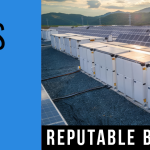
Thanks in part to California’s crisis, but also improving economics and new state policies, the technology is preparing for unprecedented growth in the United States over the next several years. As much as 1,800 megawatts of new energy storage — mostly from lithium-ion batteries — is expected to come online by 2021, according to GTM Research, which tracks the sector for the Energy Storage Association.
That’s eight times larger than total U.S. installed energy storage capacity in 2016 and should translate into nearly 5,900 megawatt-hours of stored electricity that can be dispatched quickly to address power outages, shave peak demand charges or simply enhance grid reliability, according to experts.
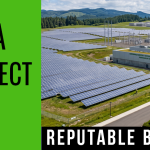
Energy storage is also critical to solving the intermittency challenges associated with renewable energy. That’s because batteries can smooth the ebbs and flows associated with wind and solar power by supplementing the grid when those resources are not available.
“One of the trends we’re seeing lately, and what could be a game-changer, is the level of utility interest and involvement,” said Anissa Dehamna, a principal research analyst and head of the energy storage team at Navigant Research. “We’ve had growth of a little over 200 percent [annually] in the past, and we’re expecting that trend to continue in the North American market.”
Click Here to Read Full Article
read more It’s really no wonder lithium is compared to oil so much these days; they’re both absolutely essential to the way our world works.
 EMERYVILLE, Calif.–(
 Lazard Ltd. (New York) has released its annual in-depth studies comparing the costs of energy from various generation technologies and of energy storage technologies for different applications.
 Corporate investment in energy storage nearly hit $660 million in the third quarter, a five-fold increase from third quarter 2015, according to the latest U.S. Energy Storage Monitor from GTM Research and the Energy Storage Association.
 The Lancey electric space heater allows users to charge its battery during off-peak hours and use the electricity for heating during peak demand periods.
 The
The  ISO New England and interconnecting transmission owner
  Federal regulators today approved a billion dollar energy storage project in Meagher County. The 400-megawatt pumped storage project would supplement electricity from wind turbines and other sources.
 Panasonic Corp (6752.T) will invest more than 30 billion yen ($256 million) in a New York production facility of Elon Musk’s Tesla Motors (TSLA.O) to make photovoltaic (PV) cells and modules, deepening a partnership of the two companies.