
Services
Hybrid Project Analysis
A desk-based, project-lifetime evaluation of the technical and financial viability of adding battery energy storage to a proposed site.
Optimize Sizing, Returns and Overall Benefits
The Hybrid Project Analysis determines the technical and financial viability of adding a battery energy storage system to a proposed site. The analysis aims to optimize system sizing, financial return and overall benefits.
Each analysis provides multiple business models, with preliminary and final reports.
Any Combination of Assets and Technologies
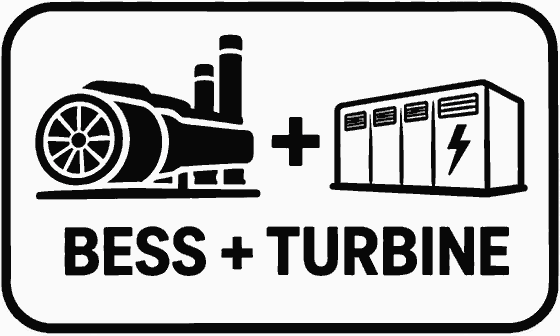
We analyze battery storage paired with any combination of generation, load and grid assets. Common configurations include:
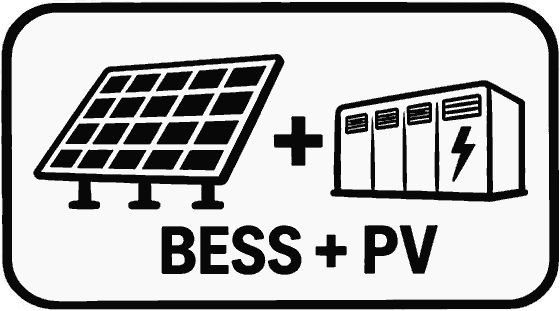
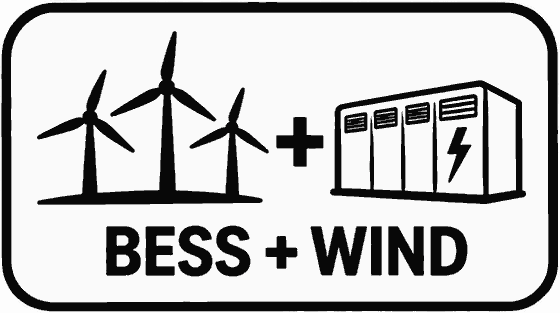
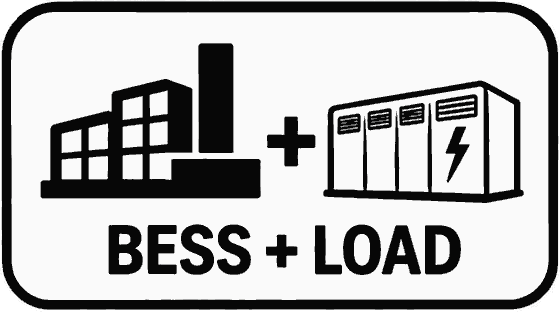
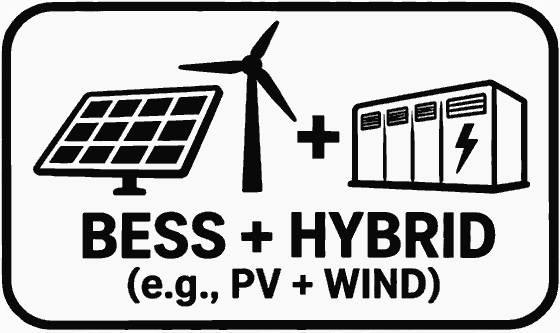

Opportunities
Value streams and operational benefits the analysis evaluates for your project.
Operational Challenges
- Clipped energy capture
- Resiliency
- Curtailment / negative prices
- GHG emission reduction
- Smoothing / firming / shifting
- Volt / VAR support
Capacity / Peak Load
- Resource adequacy
- Capacity firming
- Infrastructure deferral
- Load following
- Transmission fee mitigation
- Demand charge mitigation
Direct Revenues
- Ancillary services
- Capacity auction
- RTM and DAM arbitrage
- TOD / seasonal pricing
- RFP / RFO response
- Hedge / toll

Powered by the Fractal Model
High-Resolution Technoeconomic Modeling
Fractal co-optimizes your project’s technical design and financial analysis using the Fractal Model. The Fractal Model provides investment-grade analysis by simulating performance, degradation, warranty, costs and revenues to optimize the economics of your energy storage and hybrid projects.
The Fractal Model is an established technoeconomic model in the energy industry, used for project development, due diligence, project finance and tax equity.
Key Tasks
Fractal performs the following key tasks in the scope of work.
Project Kickoff and Review
- Define project goals
- Review Client inputs and requested assumptions
- Review project location
- Review marketing options (ISO participation / regulated utility operation, applications)
- Review PV / wind generation for hybrid projects
- Review grid constraints and interconnection limits
- Review contractual obligations and goals (PPA / tolling contracts / financial hedges)
BESS Dispatch Optimization
- Forecast long-term energy, ancillary service and capacity prices
- Provide options for Fractal, Client or third-party forecasts
- Model physical constraints at the project level
- Incorporate Client-provided PV / wind production for hybrid projects
- Include grid and interconnection limitations
- Include financial obligations through PPAs, hedges and other bilateral contracts
- Model technical characteristics at the equipment level
- Model metering schemes for FTM and BTM projects
- Model AC-coupled and DC-coupled configurations and clip charging, as applicable
- Model BESS technical characteristics
- Model RTE, self-consumption, aux loads and availability
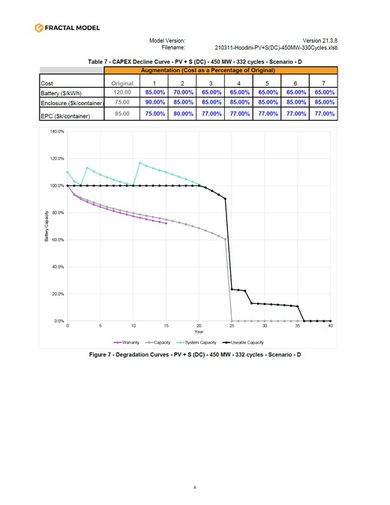
- Model BESS degradation and optimize augmentation strategy
- Incorporate Fractal’s dynamic degradation curves based on number of cycles, calendar aging, resting state of charge and battery type
- Optimize the augmentation strategy based on battery cost decline, degradation rate, and the trade-off between BoL oversize and augmentation costs
- Incorporate trading strategy
- Optimize across day-ahead and real-time markets
- Ensure compliance with clearing and bidding rules
- Sensitivity between perfect and imperfect foresight
Financial Modeling
- Include revenue from dispatch optimization
- Detailed market intelligence on project CAPEX (BESS, balance of plant and EPC)
- Include ITC and other federal and state incentives
- Create monthly cash flow summaries
- Detailed tax equity model to optimize partnership returns
- Calculate key performance indicators (IRR, NPV, payback period)
Size Optimization, Scenarios and Sensitivities
- Iterative analysis between BESS dispatch optimization and financial analysis
- Sensitivity analysis on BESS power and energy capacity and generation sizing
- Sensitivity analysis on monthly cycling schedule and trading strategy
- Sensitivity analysis on augmentation strategy, battery technology (RTE / degradation rates) and project cost
Recommendations
- Summarize project economics and key risks
- Recommend optimal project size and revenue strategy
- Recommend optimal technology and operations strategy
Deliverables
The main deliverables are a preliminary report and a final report.
Preliminary Report
- Table of contents
- Executive summary
- Financial summary (tables of results)
- Definitions
- Inclusions / exclusions
- Inputs and assumptions
- Analysis results, up to 10 scenarios
- Optional contract or RFP review
- Bid / offer strategy, if applicable
- Optional seller model preparation
Final Report
Everything in the preliminary report, plus up to 5 scenario sensitivities and optimization.
Scenario Results Include
- Description
- IRR
- Narrative
- Tax incentives
- Project life
- PPA period
- Renewable generation unit(s) sizing
- Thermal generation unit sizing
- Battery power and energy
- POI limit
- Market / ISO
- BOL oversize
- RTE
- COD
- Configuration
- Revenues by category
- Revenues by application
- C-rate
- Required revenues
- Site output
- Average SOC
- CAPEX
- OPEX
- Density and acreage
- Decommissioning / salvage
- Inverter replacement
- Degradation
- Augmentation strategy
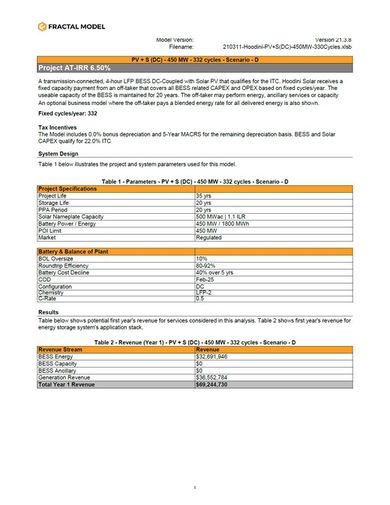
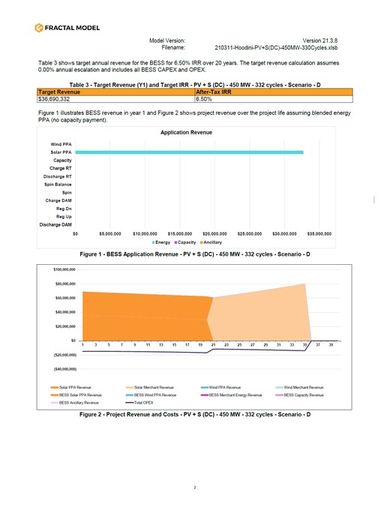
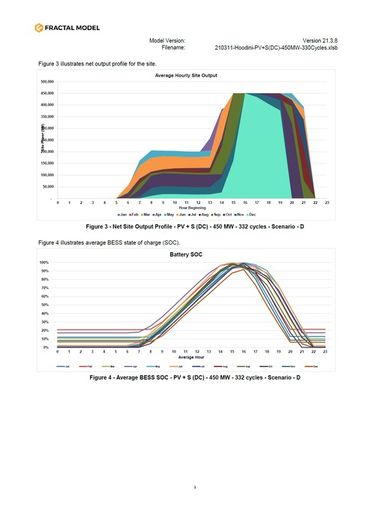
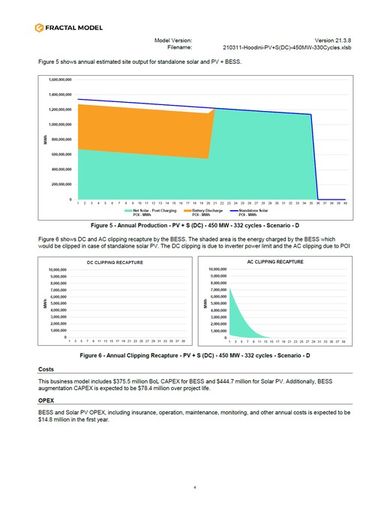
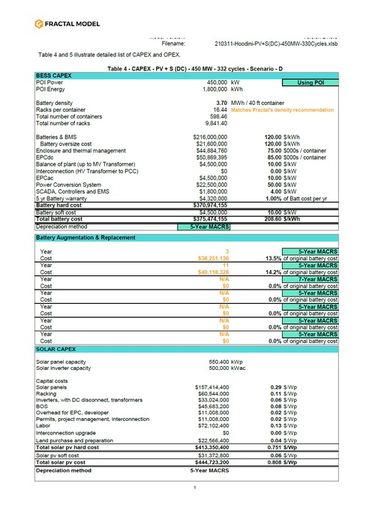
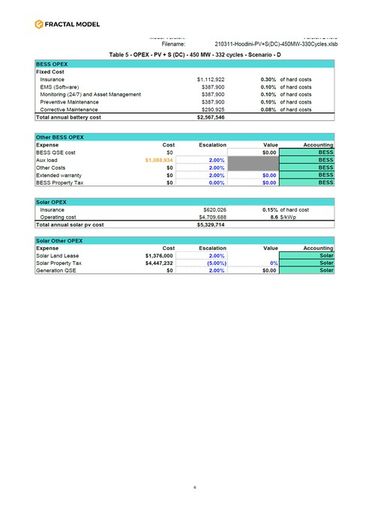
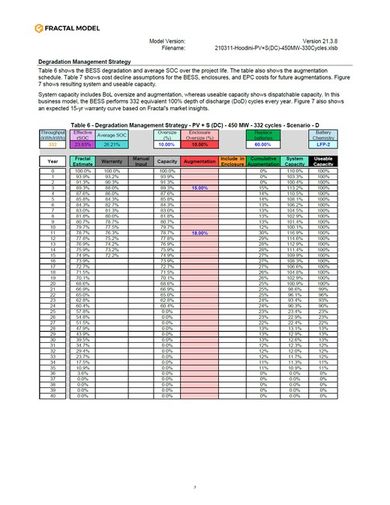
Business model reporting sample. Each analysis provides multiple business models.