 ESCONDIDO, Calif. — In Southern California in the fall of 2015, a giant natural gas leak not only caused one of the worst environmental disasters in the nation’s history, it also knocked out a critical fuel source for regional power plants.
Energy regulators needed a quick fix.
But rather than sticking with gas, they turned to a technology more closely associated with flashlights: batteries. They freed up the utilities to start installing batteries — and lots of them.
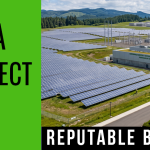
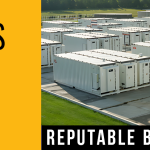
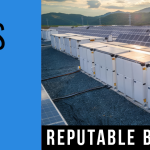
It is a solution that’s audacious and risky. The idea is that the batteries can store electricity during daylight hours (when the state’s many solar panels are flooding the grid with power), then release it as demand peaks (early evening, when people get home). In effect, the rechargeable batteries are like an on-demand power plant, and, in theory, able to replace an actual plant.
Utilities have been studying batteries nationwide. But none have moved ahead with the gusto of those in Southern California.
This idea has far-reaching potential. But the challenge of storing electricity has vexed engineers, researchers, policy makers and entrepreneurs for centuries. Even as countless technologies have raced ahead, batteries haven’t yet fulfilled their promise.
And the most powerful new designs come with their own risks, such as fire or explosion if poorly made or maintained. It’s the same problem that forced Samsung to recall 2.5 million Galaxy Note 7 smartphones in September because of fire risk.
 Responding to Ofgem’s call for evidence on A Smart, Flexible Energy System [1], which closed on Thursday, the Solar Trade Association (STA) has called on the Government to remove all barriers to deployment of energy storage [2]. Following substantial recent reductions in costs associated with storage – especially lithium-ion batteries – the industry are ready now to deliver smarter alternatives for a clean energy system that will save money for the consumer.
 A document created for the recent investor event at Tesla’s under-construction Gigafactory facility in Nevada recently made its way into our hands here at CleanTechnica, revealing that the company’s planned solar PV infrastructure for the facility will total 70 megawatts (MW) in nameplate capacity once complete.
 AES Distributed Energy will build a solar-plus-storage “peaker plant” on the Hawaiian island of Kauai that stands out both in capacity and power price.
 The rise of renewable power has created a need for energy storage that companies are fulfilling with underwater balloons, multi-tonne flywheels and decades-old designs.
 Tesla and Panasonic’s Gigafactory in the Nevada desert has now started making high performance cylindrical battery cells of the type used in its stationary storage and forthcoming Model 3.
 When a very big international company buys a very small company in an emerging area like energy storage and microgrids, you’ve got to ask, ‘What’s up?’
 The islands of Hawaii are known for their gorgeous landscapes and world famous beaches, but they’re probably not the first place you think of when you think of renewable energy. But they should be.