 The technology group Wärtsilä has released a new solution, GridSolv, the company’s first standardized energy storage solution.
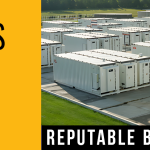
GridSolv is an advanced energy storage solution that is designed to offer maximum flexibility and speed of deployment. This innovative and standardized architecture supports both standalone energy storage deployments as well as integrated hybrids with thermal or renewable generation assets. Coming in three sizes, the GridSolv solution is typically housed in an ISO 40-foot container and contains: batteries, power distribution, safety, fire suppression, and air conditioning systems.
“Much like how a smartphone delivers more value than simply a processor, a camera, and a touch screen, our new GridSolv solution goes well beyond batteries, inverters and container,” said Akshay Ladwa, Vice President of Engineering at Greensmith Energy. “We designed GridSolv to complement our industry-leading GEMS software platform so that utility partners and customers can have the most robust optimization of their grid assets and protect their energy storage investment for years to come.”
Greensmith’s GridSolv solution is already delivering results for Sinergy Kft, subsidiary of ALTEO Group, in Budapest, Hungary. ALTEO’s existing power plant, which was running on three Wärtsilä 34SG engines, is now optimized with the addition of GridSolv and GEMS, enabling the energy company to participate in the electricity market by providing frequency and secondary regulation to the national grid operating in virtual power plant mode.
Wärtsilä energy storage solutions enable power companies and developers to integrate and optimize a diverse mix of grid resources and deliver flexibility, reliability and resilience for customers seeking best-in-class system performance.
Globally, GEMS has become the most-used energy storage software and integration platform, operating in over 70 systems in nine countries. GEMS offers the widest selection of use-case applications, often integrated with renewable or thermal generation assets. In addition to energy storage applications, GEMS is able to manage any complex composition of energy assets, including wind, solar, thermal and storage. GEMS was also recently RIG certified by CAISO, the transmission operator for California, the seventh largest economy in the world.
read more ANAHEIM, Calif., Sept. 24, 2018 /PRNewswire/ — Renewable energy technology leader LG Electronics is entering the fast-growing U.S. residential energy storage system (ESS) business, complementing the company’s industry-leading solar panel technologies in the United States.
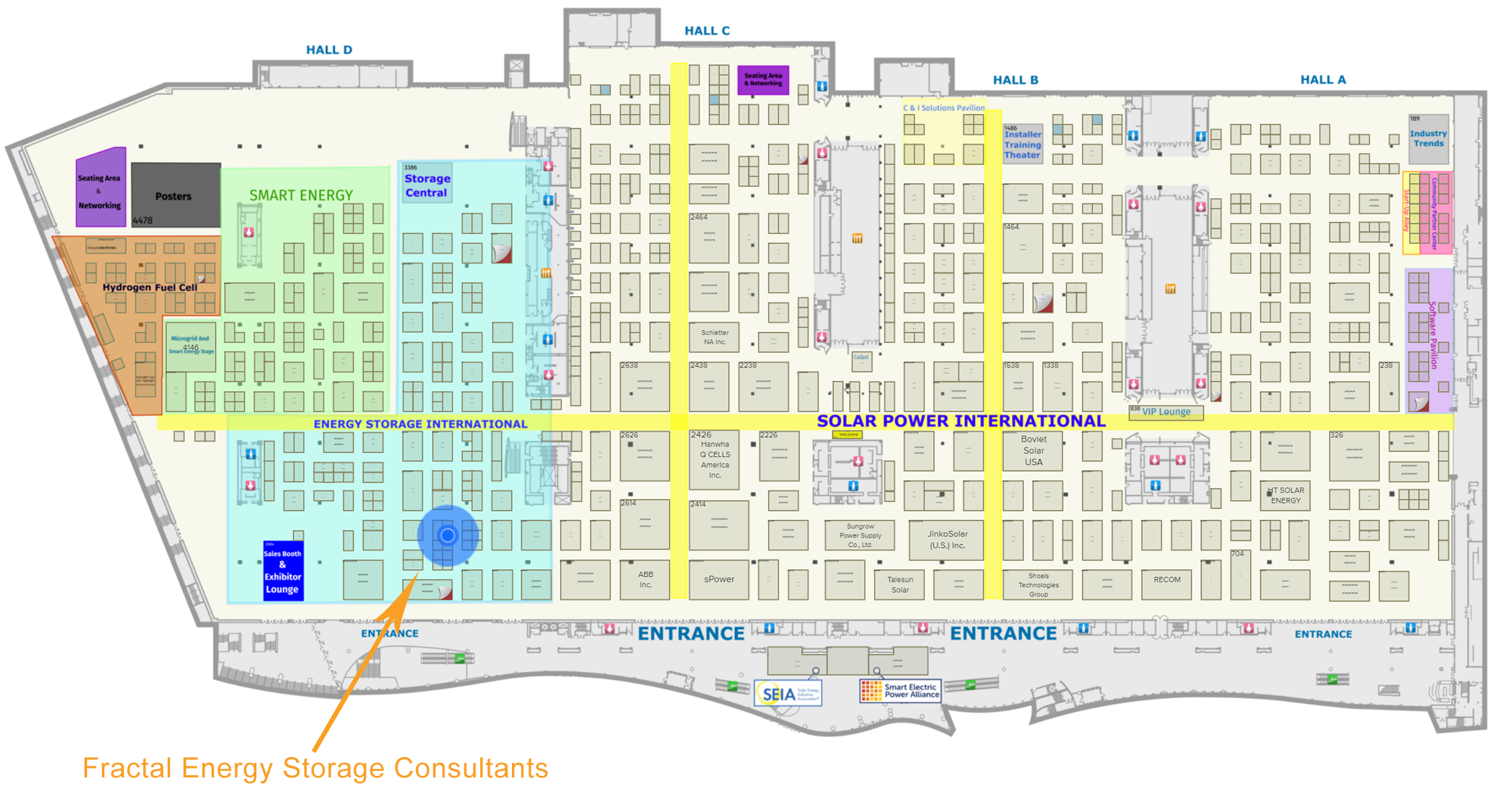 Event Website:
  JEA, formerly known as the Jacksonville Electric Authority, as of April 1, 2018 removed net metering, and lowered the rate paid of for any excess electricity produced that would have prior been net metered. A group of solar advocates – Solar United Neighbors – has been pushing back since the fall of 2017 when this change was originally proposed.
 Deep within the Department of Energy is a small agency devoted to supporting cutting-edge energy research: the Advanced Research Projects Agency-Energy, or ARPA-E. It’s only about 10 years old and not widely known or appreciated by the public — but among energy geeks, it is beloved.
 The detailed New York Energy Storage Roadmap lays out a comprehensive vision for using energy storage to meet the state’s energy goals, such as meeting 50% of electric power needs with clean energy sources by 2030.