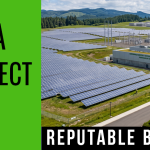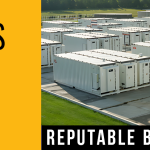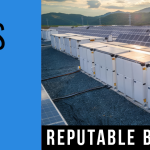
 In late 2014, a virtually unknown company called Alevo announced it was entering the energy storage market with a new inorganic, sulfur-based lithium ion battery technology that it had acquired from the bankrupt German company fortu PowerCell. Alevo entered the U.S. with a big splash, investing over $68 million in the 3.5 million-square-foot former Philip Morris tobacco factory in Victory, North Carolina, outside Charlotte. It also announced that it would hire up to 2,500 workers over three years, with a potential maximum workforce of 6,000 capable of turning out thousands of megawatts of electricity storage products annually. In other words, Tesla would not be the only storage company with a gigafactory.
Click Here to Read Full Article
read more CHICAGO
 In an interesting duo of energy stories this week, Arizona is getting two new innovative energy storage systems while Illinois is this close to losing up to 2300 megawatts of coal-fired power plant capacity. The news illustrates how quickly the country is transitioning to a low carbon economy. In the context of last year’s McKinsey report on the state of the US coal industry, that’s already proving to be a harsh and painful process for some communities.
 To Steve Yates, the best thing about his new
  Series of high profile deals suggest innovations in energy storage are starting to push down costs and push up commercial viability
 Combining solar panels with batteries to keep electricity flowing when the sun isn’t shining has long been the target for companies dabbling in the emerging technologies of the power grid.
 MINSTER — S&C Electric Company, a global provider of equipment and services for power systems, has completed one of the largest energy storage systems in Ohio.
 In the U.S., utility-scale
  What is an Ice battery?
 TEP has contracted for services from two 10 MW battery systems which utilize lithium-based chemistries