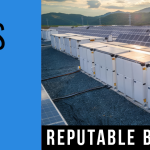
 SYRACUSE, N.Y., Oct. 19, 2016 /PRNewswire/ — Lockheed Martin (NYSE: LMT) has installed its GridStar™ Lithium energy storage system at the company’s Syracuse, New York, facility. The 1 MW system will reduce electricity bills and emissions for Lockheed Martin’s operations and will also provide services to the New York Independent System Operator (NYISO), the state’s competitive wholesale electricity operator. ENGIE, a global independent power producer and energy services provider, will operate the system and dispatch the power.
“We provide turn-key energy storage solutions for a variety of utilities, independent power producers, commercial and industrial customers and developers,” said Frank Armijo, vice president of Lockheed Martin Energy. “As we provide customers with advanced energy solutions, we’re pleased also to implement them at our own facilities to further our affordability and sustainability goals.”
System Capabilities
Lockheed Martin Energy used the company’s advanced project analytics capabilities to design the installation. The project deploys Lockheed Martin’s compact, easy-to-install GridStar™ fully integrated Lithium energy storage system.
Lockheed Martin and ENGIE integrated the GridStar™ system with ENGIE’s energy storage operating software to achieve a multi-functional application of energy storage.
“This project is a great opportunity to combine multiple capabilities in the growing market for decentralized energy management,” saidJason Goodhand, director of energy storage for ENGIE North America. “By pairing Lockheed Martin’s system with our Green Charge subsidiary’s advanced, patented software as well as ENGIE’s experience in scheduling and dispatching power, we bring together a powerful solution that supports Lockheed Martin’s goals and enhances the flexibility and resiliency of the broader power grid of the New York ISO.”
The Lockheed Martin GridStar™ Lithium architecture consists of modular, scalable, purpose-built energy storage units that contain batteries, local-controls software and all required balance-of-system components. Each GridStar™ energy storage unit can be configured to provide up to 375 kW of power and up to 600 kWh of energy storage. These units can be AC coupled together to scale to multi-MW projects. Systems also come with extended warranty and long-term maintenance options.
Click Here to Read Full Article
read more Eos Energy Storage, the startup that’s attracted utility interest from around the world in its
  SAN DIEGO, CA–(Marketwired – Oct 18, 2016) –
  Strategic planning of Chinese industry at a state level could see electrical energy storage installations grow in importance, rocketing to as much as 24GW by 2020, according to one analysis firm.
 Rival energy storage companies sonnen and Tesla each started the week angling for the emerging smart battery market, with news of financing and partnerships.
 What’s on tap? The makings of advanced batteries and a better way to deal with brewery wastewater.
 A team of researchers from Madrid is developing a thermal energy storage system that uses molten silicon to store up to 10 times more energy than existing thermal storage options. The hope is to develop the technology into a new generation of low-cost solar thermal stations to store solar energy in urban centers.
 The U.K. government should learn from California and incentivize energy-storage technology to help move away from dirty fuels, a cross-party panel of lawmakers said.