 Amazon is turning to Tesla in order to deploy energy storage capacity at their distribution centers.
After a deal to add Tesla Powerpacks to a UK facility earlier this year, now Amazon is working with Tesla again at another distribution center.
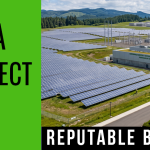
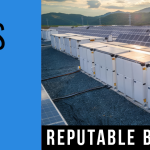
The last project included both a 4 MW solar array and 3.77 MW battery system installed at a large fulfillment center in Tilbury – east of London.
Amazon has hundreds of locations like this one around the world and at the time, it looked like if this project turned out to be successful in reducing energy costs, Amazon could decide to deploy Tesla Powerpacks at more locations.
A few months later, we’ve now learned that the internet retail giant is planning a similar project at their Coalville facility in Leicestershire.
UK’s Solar Power Portal reported about the new project:
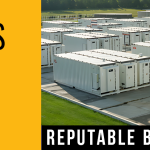
“The size of the Tesla battery system to be used was not clear from the planning documents, however proposed building elevations suggest a system comprised of 15 Powerpack units.”
Amazon reportedly plans more similar projects over the next 18 months.
Tesla Energy is aiming to ramp up its deployment of energy storage through several different channels. These deployments will range from Powerwalls at the residential level to large utility-scale projects, like the new giant project with PG&E in California, to the smaller scale commercial projects, like those ones with Amazon.
Electrek’s Take
I like to see Amazon dipping their toes in energy storage. They are a major energy user – not only through their distribution centers for their retail effort, but also because of their giant internet services and data centers.
After these new projects in the UK, I can see Amazon ramping up the deployment of solar and energy storage projects at locations around the world.
They have plenty of money and now is the best time to do it.
read more Bloomberg NEF says the tumbling cost of batteries is set to drive a boom in the installation of energy storage systems around the world in the years from now to 2040. This has led BNEF to significantly increase its forecast for global deployment of behind-the-meter and grid-scale batteries over coming decades. The group now predicts the global energy storage market will grow to a cumulative 942GW/2, 857GWh by 2040, attracting $1.2 trillion in investment over the next 22 years.
 The global energy storage market is on the cusp of a long-running investment and deployment boom, according to one of the world’s most influential energy analysts.
 The tumbling cost of batteries is set to drive a boom in the installation of energy storage systems around the world from now to 2040, according to the latest annual forecast from research company Bloomberg New Energy Finance (BNEF).
 A year after Massachusetts awarded $20 million in energy storage grants, the first project is online and showing promise to help shave peak demand, save customers money, and pave the way for more solar power.
 The PJM Interconnection has made a temporary change in the rules for its frequency regulation market that could mean lower revenue and market participation for energy storage.
 SolarEdge is targeting a world where the “majority of solar systems will include storage”, according to CEO Guy Sella, as the company announced record revenues and shipments in the third quarter of 2018.
 The battery boom is coming to China, California and basically everywhere else—and it will be even bigger than previously thought.
 CARMEL, Ind. — A recent MISO workshop on storage providing transmission services made clear how much the technology is blurring the once clear lines between generation and transmission.