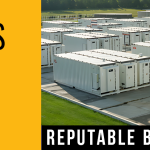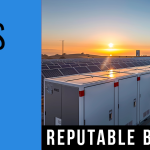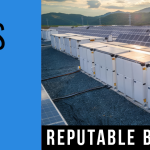
 Energy storage is a new disruptive trend. It basically involves storing energy that can later be harnessed for electricity to power our homes, our cars – our future. Energy storage is growing fast as it complements the renewable energy sectors of wind and solar.
For some background investors can read my 2016 article – “Energy Storage – The Dams Of Our Energy Future.“
The energy storage boom – Some quick facts
- Energy Storage News reported: “BNEF predicts 305GWh of energy storage worldwide by 2030. The Global energy storage market is forecast to grow 12-fold in the years (2016) to 2030″. Note this is cumulative not yearly. See graph below.
- Energy Storage reported: “IRENA: Batteries for energy storage could reach 250GWh by 2030.”
- IHS Markit – “The global deployment of grid-connected energy storage will grow from 1.3 GW in 2016 to 4.7 GW in 2020 and 8.8 GW in 2025.” That represents about a 7 times growth just for “grid connected.”
- Citigroup forecast that “the global battery storage market (not including car batteries) will surge to 240 gigawatts (GW) and $400 billion by the year 2030.”
- Utility Dive states: “The Brattle Group concludes the United States market for energy storage could reach 50,000 MW (50GW) (over the next decade) as long as battery prices to continue their decline and state and federal policies encourage the resource. “We are not quite there yet, but as costs decline further, storage will be transformative for the power industry.”
- Utility Dive states: “The growth of energy storage is being driven by rapidly falling lithium-ion module prices, which according to IHS have fallen 70% since 2012 and will fall below $200/kWh by 2019.”
- Energy Storage Networks reported: “According to GTM Research and ESA’s U.S Energy Storage Monitor 2016 Year in Review, lithium-ion represented at least 97% of all energy storage capacity deployed in 2016.”
- Citigroup stated in 2015 – “We see lithium-ion batteries as the best option for storage batteries.”
 Battery storage is a “necessity” for Hawaii to reach its 100% renewable energy by 2045 target, leading to electric cooperative KIUC becoming the top-ranked US utility for watts of energy storage deployed per customer in 2017.
 Energy storage (batteries and other ways of storing electricity, like pumped water, compressed air, or molten salt) has generally been
  Gas distributer Northern Gas Networks (NGN) has hailed the results of a power-to-gas feasibility study which suggest that hydrogen’s potential as a form of energy storage could be delivered at scale.
 Nevada law has included net metering provisions for more than 20 years. Net metering is an arrangement that allows energy generated by a customer’s leased or purchased solar system to offset monthly power bills. It also permits excess energy supplied to the grid to earn credits, which are then automatically applied to future billing periods in which more energy is consumed than produced.
 Dairy farmers in Victoria’s Latrobe Valley could soon generate and trade energy via a virtual microgrid thanks to a
  We have been
  Hawaii’s electric utility companies, Kauai Island Utility Cooperative and Hawaiian Electric Cos., are among the leading utilities in the United States for energy storage, according to a new report.
 NEC Energy Solutions (
 Tucked away in the Federal Energy Regulatory Commission’s April 19 revision of its large generator interconnection agreement are easily overlooked provisions that could benefit energy storage providers.