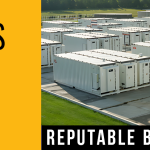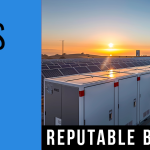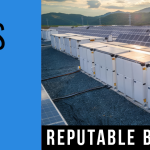
 California is a leader in both renewable energy resources and energy storage. The state has one of the highest renewable portfolio standards in the U.S., mandating that 50% of all electric power be sourced from renewable resources by 2030, and the state has the first and some of the most robust incentives for energy storage.
AB 2514 requires the state’s three investor owned utilities to procure 1.3 GW of energy storage by 2020, and AB 2868 requires each IOU to deploy an additional 166 MW of behind-the-meter and/or distribution tied storage.
The IOUs are already well on their way to meet their goals. Southern California Edison has 400 MW of storage in its portfolio toward its 582 MW target. But installing energy storage is one thing, using it to meet other goals is another.
California is a restructured state, so utilities there generally do not own or build power plants. Nor do utilities control the dispatch of those plants. That is the job of the California ISO.
Soaking up solar power during the day and dispatching it in the evening is often cited as a renewable-enabling use for energy storage, but in practice the renewable-enabling potential of storage is often not so simple.
SCE, for instance, does not necessarily make decisions to charge batteries when solar power output is abundant and to discharge them when solar power begins to wane. But the utility still owns some generation assets and is responsible for how it bids those assets into CAISO’s real-time and day-ahead energy markets.
Click Here to Read Full Article
read more The award of the contract for the world-record tariff for Dubai’s first concentrated solar power (CSP) project with storage could signal a seminal moment in the region’s shift towards renewable energy.
 Stacking energy storage values — capturing many value streams — can lead to profitable projects, even at current storage costs, according to a new report from economists at The Brattle Group.
 AUSTIN, TX–(Marketwired – Sep 18, 2017) –
  While lithium-ion is rapidly racing ahead to become the “de facto grid storage solution” and is the most popular technology choice by far, vendors of other types of batteries are also targeting the market, with varying degrees of success.
 FOUNTAIN HILLS, Ariz.
 On a paved expanse next to an electrical substation in Escondido, 30 miles north of downtown San Diego, sits a row of huge silver boxes. The site resembles a barracks, but instead of soldiers, the 24 containers house racks of battery packs.